
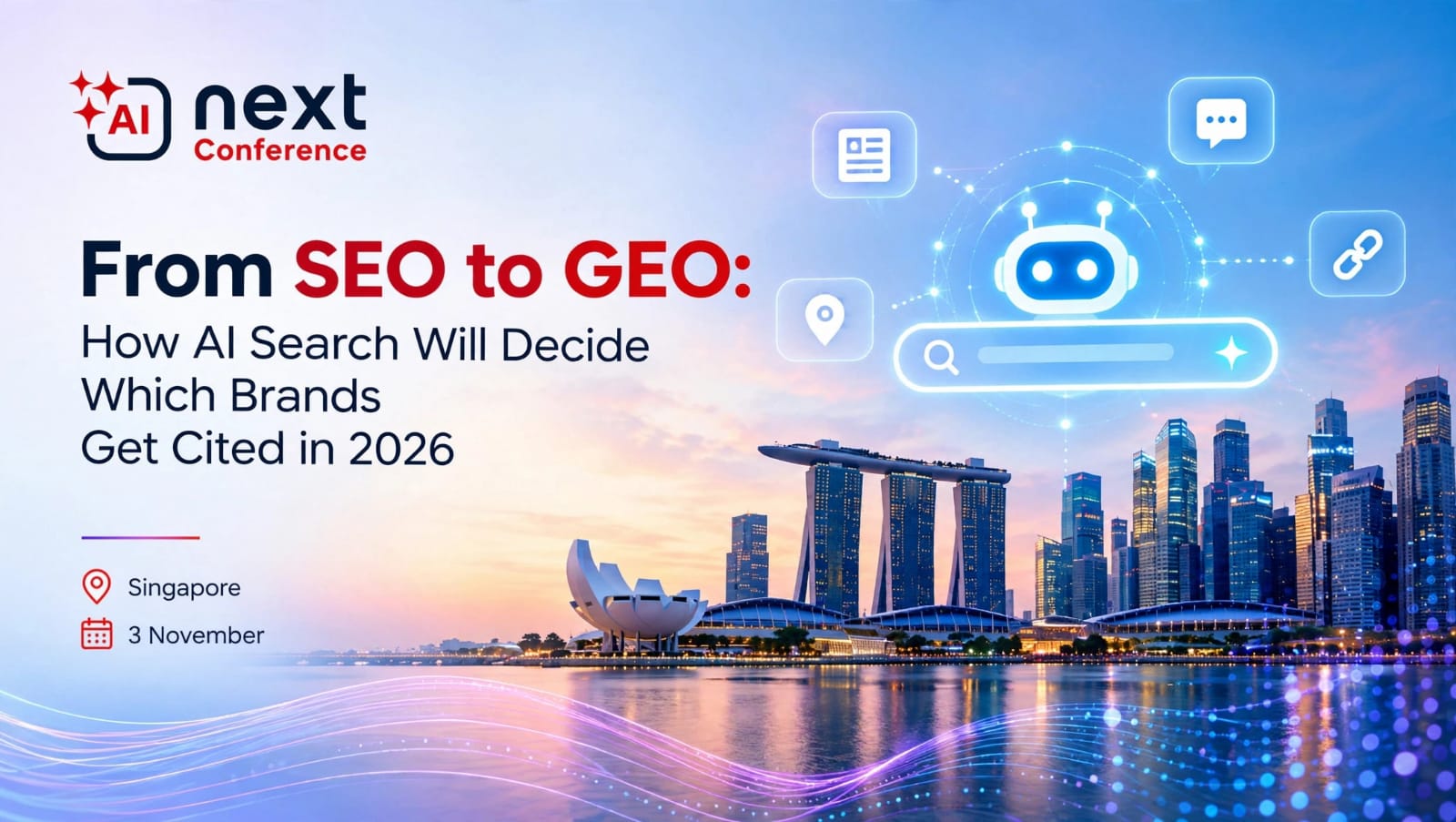
Search is no longer only about ranking on Google. In 2026, brand visibility increasingly extends to AI-generated answers from platforms such as ChatGPT, Perplexity, Gemini, and Google AI Overviews. For enterprises, this shift is making Generative Engine Optimization (GEO) an important part of digital strategy.
The goal is no longer simply to rank. It is to create content that AI systems can discover, understand, retrieve, and confidently cite when answering questions about a company, product, service, or industry.
Why GEO Matters for Enterprise Leaders
AI is changing how customers, business buyers, investors, and partners research companies. Users can increasingly ask AI systems to compare providers, explain products, identify market leaders, or recommend solutions.
This creates a new visibility challenge. A company can perform well in traditional search and still have limited visibility in AI-generated answers.
GEO helps address this gap by making digital content clear, authoritative, well structured, and easier for AI systems to interpret. Websites, research reports, product pages, case studies, and expert content can all become potential sources for AI-generated responses.
For Singapore brands, this is particularly relevant in competitive sectors such as financial services, technology, healthcare, logistics, manufacturing, and professional services.
The Enterprise GEO Playbook
Make Your Digital Estate AI-Ready
Digital governance must expand to include AI bot management. Review your technical foundations to ensure public-facing content is reliably indexed and citable:
•Bot Permissions: Explicitly manage access for key AI crawlers (e.g., GPTBot, PerplexityBot, ClaudeBot) in your robots.txt.
•Data Structure: Deploy robust Schema markup (structured data) to clearly define your organization, products, and content relationships.
•Technical Health: Clean up XML sitemaps, resolve canonical URL issues, and ensure seamless JavaScript rendering for AI crawlers.
Lead With Clear, Direct Answers
AI models favor text that gets straight to the point. Start critical website sections with a concise answer, followed by supporting evidence.
•Use question-based headings like “How does AI fraud detection work?” or “What are the benefits of automated compliance?”
•Keep introductory answers self-contained so models can easily extract them as snippets.
Replace Claims With Verifiable Evidence
Fluffy corporate adjectives like innovative or industry-leading confuse AI models because they cannot be verified. Instead, anchor your content in hard data:
Quantifiable Metrics: Use specific figures, dates, and growth percentages.
Third-Party Validation: Include research findings, expert commentary, and links to authoritative external sources.
Regulatory Alignment: In trust-centric markets like Singapore—where organisations like MAS and IMDA mandate transparent digital practices—verifiable expertise is your strongest visibility signal.
Strengthen Brand Identity
AI systems need to understand who a company is, what it does, and which products and services belong to it.
Maintain consistent company names, descriptions, product information, leadership profiles, and other key details across your website and reputable third-party sources. Use appropriate structured data and clear author information.
Build Authority Beyond Your Website
Your website is only one part of your digital footprint.
Independent media coverage, industry publications, research reports, reputable directories, customer reviews, expert commentary, and conference participation can strengthen the broader evidence surrounding your brand.
The objective is not to manufacture mentions. It is to build genuine, consistent authority across credible sources.
Optimize for High-Intent Questions
Focus on content closest to business decisions: comparison pages, product specifications, implementation guides, pricing information, use cases, FAQs, and industry explainers.
For B2B companies, address questions around security, integration, compliance, implementation, ROI, scalability, and total cost of ownership.
Measuring GEO Performance Success
Traditional SEO metrics (like organic traffic and keyword rankings) only tell half the story. Enterprises must now track Share of Model—a metric measuring how frequently your brand is cited in AI-generated answers for your high-value target queries.
Keep a close eye on brand mentions, the specific source pages the AI links back to, and competitor visibility within generative summaries.
The Next Layer of Search Strategy
GEO does not replace traditional SEO; it builds directly on top of it. Technical accessibility, credible sourcing, and high-quality content remain foundational. The only thing changing is the battleground. The goal is no longer just to appear on a search results page—it is to become the trusted source inside the AI's answer.
For Singapore enterprises, the window to establish that authority is now, before AI search completely dominates the B2B discovery cycle.
AINext Awards & Conference Singapore 2026, taking place on 3 November 2026, will bring together AI leaders and business decision-makers to explore practical enterprise AI strategies, implementation, and governance.