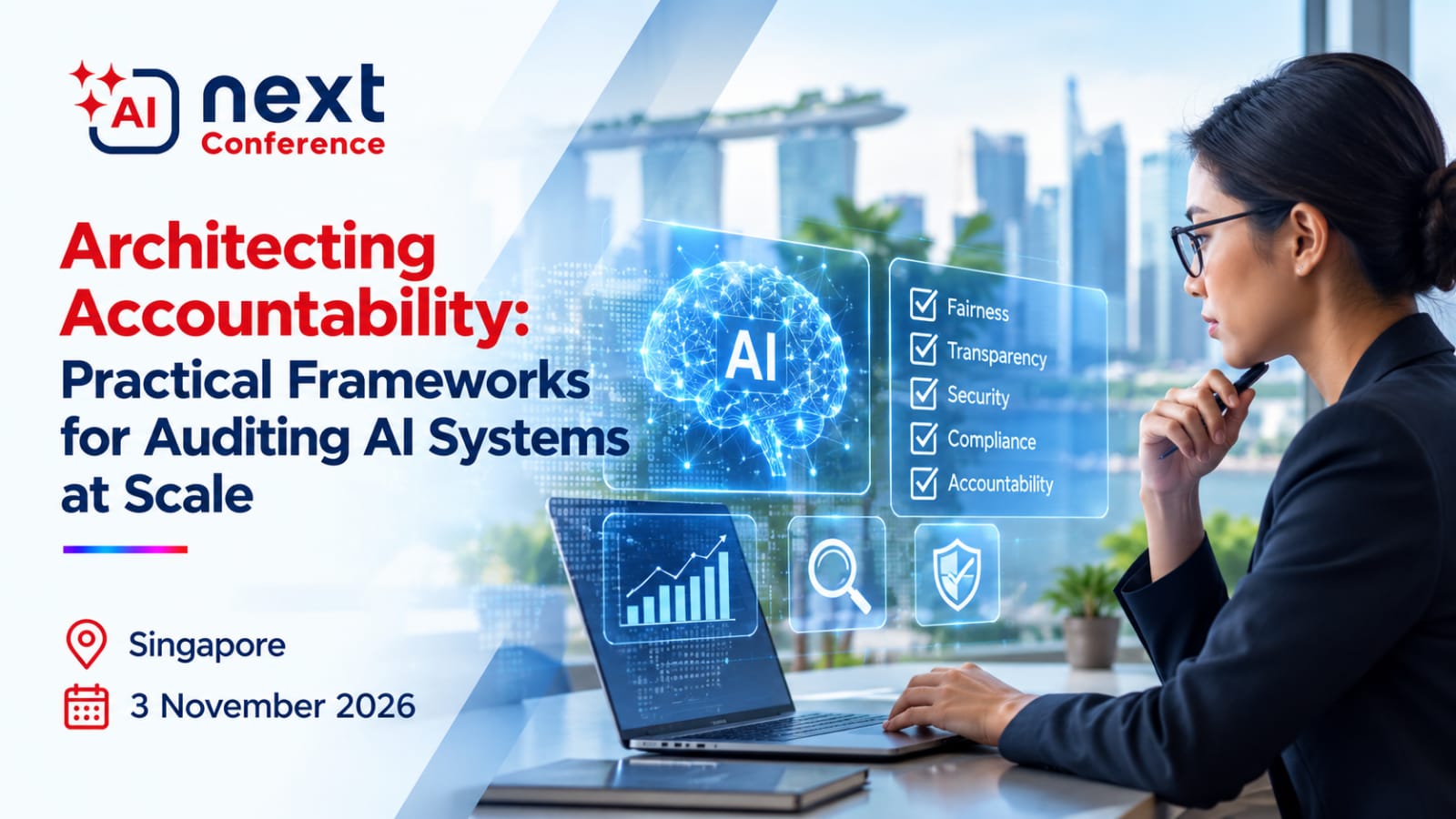
Artificial intelligence is becoming part of everyday business operations, from customer service and recruitment to financial analysis and decision-making. As organizations expand their use of AI, they face a critical challenge: how can they ensure these systems remain reliable, fair, secure and accountable?
Auditing AI at scale requires more than checking a model before launch. It involves establishing clear responsibilities, testing system performance, documenting risks and monitoring behavior throughout the AI lifecycle. Without a structured approach, organizations may struggle to identify bias, inaccurate outputs, data risks or unexpected system failures.
Building a Practical AI Audit Framework
An effective AI audit begins with a clear understanding of where and how AI is used. Organizations should maintain an inventory of AI systems, identify their intended purposes and classify them according to their potential impact. A customer-service chatbot, for example, may require different controls from an AI system that supports credit assessments or recruitment decisions.
The next step is to establish measurable testing criteria. Auditors should assess accuracy, fairness, robustness, security, explainability and data governance. Generative AI applications also require checks for fabricated information, harmful outputs, prompt injection and the inappropriate disclosure of sensitive data.
Documentation is equally important. Each system should have an identifiable owner, a record of testing results, defined approval procedures and a process for reporting incidents. Regular reviews can help organizations detect performance changes after deployment and determine when a system needs correction, further testing or suspension.
Singapore’s AI Verify Framework
Singapore offers a relevant example through AI Verify, an AI governance testing framework and software toolkit developed by the Infocomm Media Development Authority (IMDA). It helps organizations evaluate AI systems against governance principles through technical tests and process checks. Its scope includes areas such as transparency, fairness, robustness, security and accountability. The toolkit has also been extended to support generative AI testing.
Singapore’s Global AI Assurance Pilot, launched by IMDA and the AI Verify Foundation in February 2025, provides another practical lesson. The initiative paired specialist AI testers with organizations deploying real-world generative AI applications across 10 industries. Its findings highlighted that AI risks depend on the specific use case, industry, language and organizational context. This reinforces the need for testing that reflects real operating conditions rather than relying on generic checklists.
AI Verify does not guarantee that a system is entirely risk-free. Instead, it provides a structured way to examine and communicate evidence about AI governance and performance.
Making Accountability Part of AI Operations
For organizations managing multiple AI systems, consistency is essential. A central governance process can establish common audit requirements while allowing additional controls for higher-risk applications. Automated monitoring, periodic independent reviews and clear escalation procedures can help teams respond when systems behave unexpectedly.
Human oversight must remain meaningful, particularly when AI influences decisions affecting people. Assigning responsibility to named teams and ensuring that employees can challenge or escalate questionable outputs helps prevent accountability from disappearing behind automated processes.
Ultimately, auditing AI at scale is not a one-time compliance exercise. It is an ongoing discipline that connects technical testing with business governance, operational risk management and stakeholder trust.
As AI adoption accelerates, organizations that build accountability into every stage of deployment will be better positioned to scale innovation responsibly.
Join AINext Singapore
Explore how AI governance, assurance and enterprise implementation are shaping the next phase of artificial intelligence at AINext Awards and Conference Singapore. Connect with industry leaders and technology professionals to discuss practical approaches to responsible AI, scalable innovation and enterprise transformation.
Learn more: https://ainextconference.com