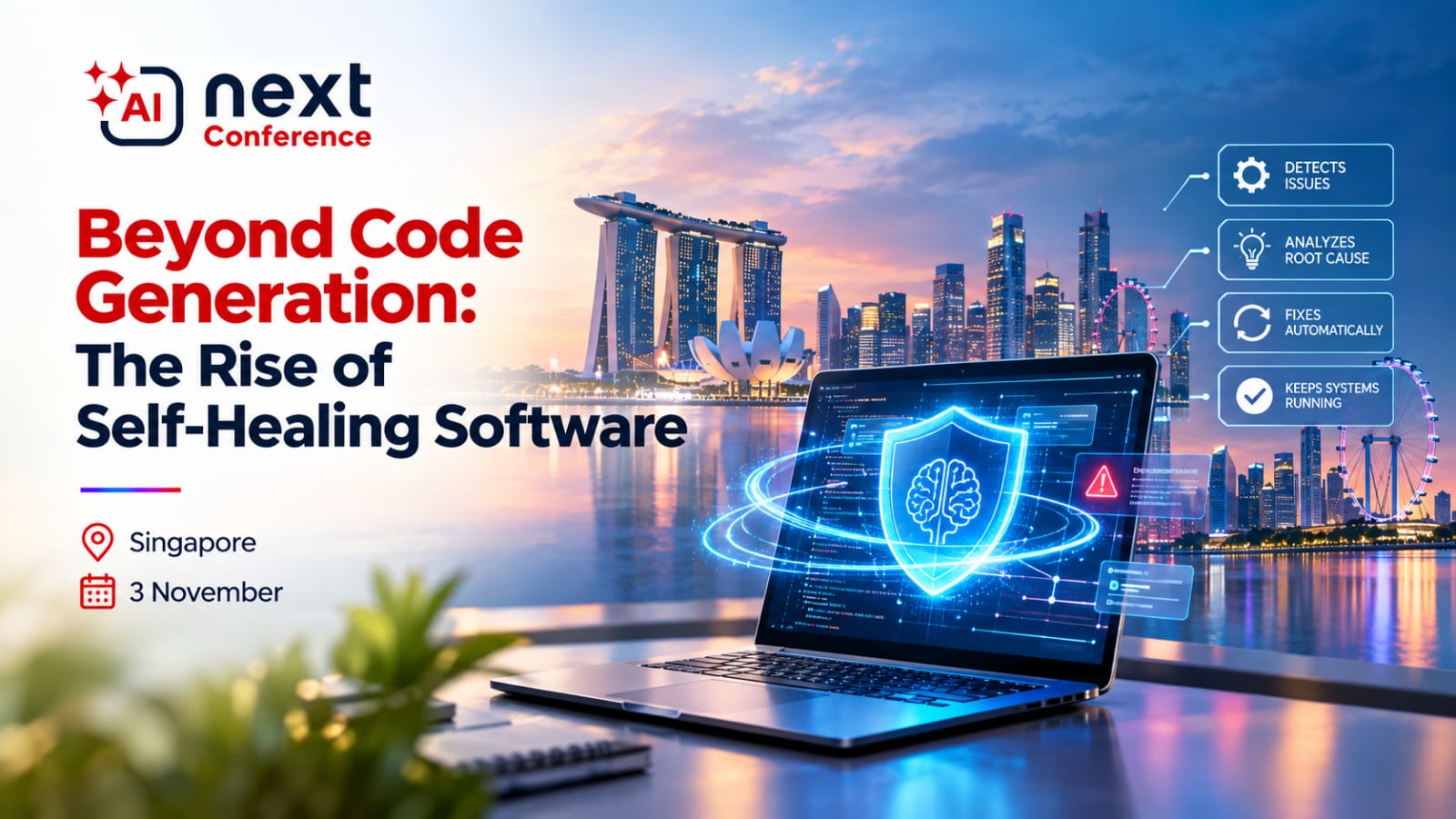
The software development lifecycle is undergoing a profound shift as platforms evolve from simple autocomplete assistants into increasingly autonomous, self-healing code ecosystems. Driven by advanced machine learning models trained on vast repositories of code, system logic, and real-time telemetry, these environments can function like a digital immune system for enterprise software. Instead of merely alerting engineers to crashes, security vulnerabilities, or performance issues, a self-healing ecosystem operates through a continuous, closed-loop lifecycle. When a runtime anomaly or performance degradation is detected, the system can initiate root-cause analysis to identify the source of the problem. Generative models can then draft targeted code patches, route them through continuous integration pipelines to test for regressions and edge cases, and, when validated, deploy the fix with minimal human intervention.
This transition from passive monitoring to active remediation could deliver significant operational benefits for global enterprises. By detecting and addressing certain system failures rapidly, organizations can reduce downtime and limit the need for manual incident response. These ecosystems could also help address the persistent burden of technical debt by supporting legacy-code refactoring, vulnerability patching, and dependency upgrades within controlled workflows. The impact extends to software development teams as well. By reducing repetitive debugging and maintenance tasks, self-healing systems can give developers more time to focus on architecture, complex problem-solving, and product innovation.
Kubernetes provides a practical example of self-healing in cloud-native environments. It can automatically restart failed containers, replace unhealthy Pods, and reschedule workloads when nodes become unavailable. These capabilities demonstrate how automated systems can detect failures and help restore application availability with limited human intervention.
Despite this potential, deploying autonomous code engines introduces significant security and operational challenges. Generative models can still produce subtle logic flaws, creating situations where a patch appears structurally valid but introduces unintended side effects. More critically, an autonomous remediation pipeline with excessive permissions could become an attack surface, potentially allowing malicious or defective changes to propagate through production environments. To safely harness this technology, organizations need strict sandboxing, access controls, automated testing, observability, and rollback mechanisms. Machine-generated patches should pass multiple layers of validation before reaching production, with human approval retained for high-risk changes.
As tech leaders gather at the upcoming AINext Awards & Conference Singapore to explore the future of enterprise AI, attention will increasingly turn to these architectural guardrails. They will be essential to helping modern businesses transition safely toward more autonomous, resilient and self-healing software—without compromising security, accountability or human oversight.