
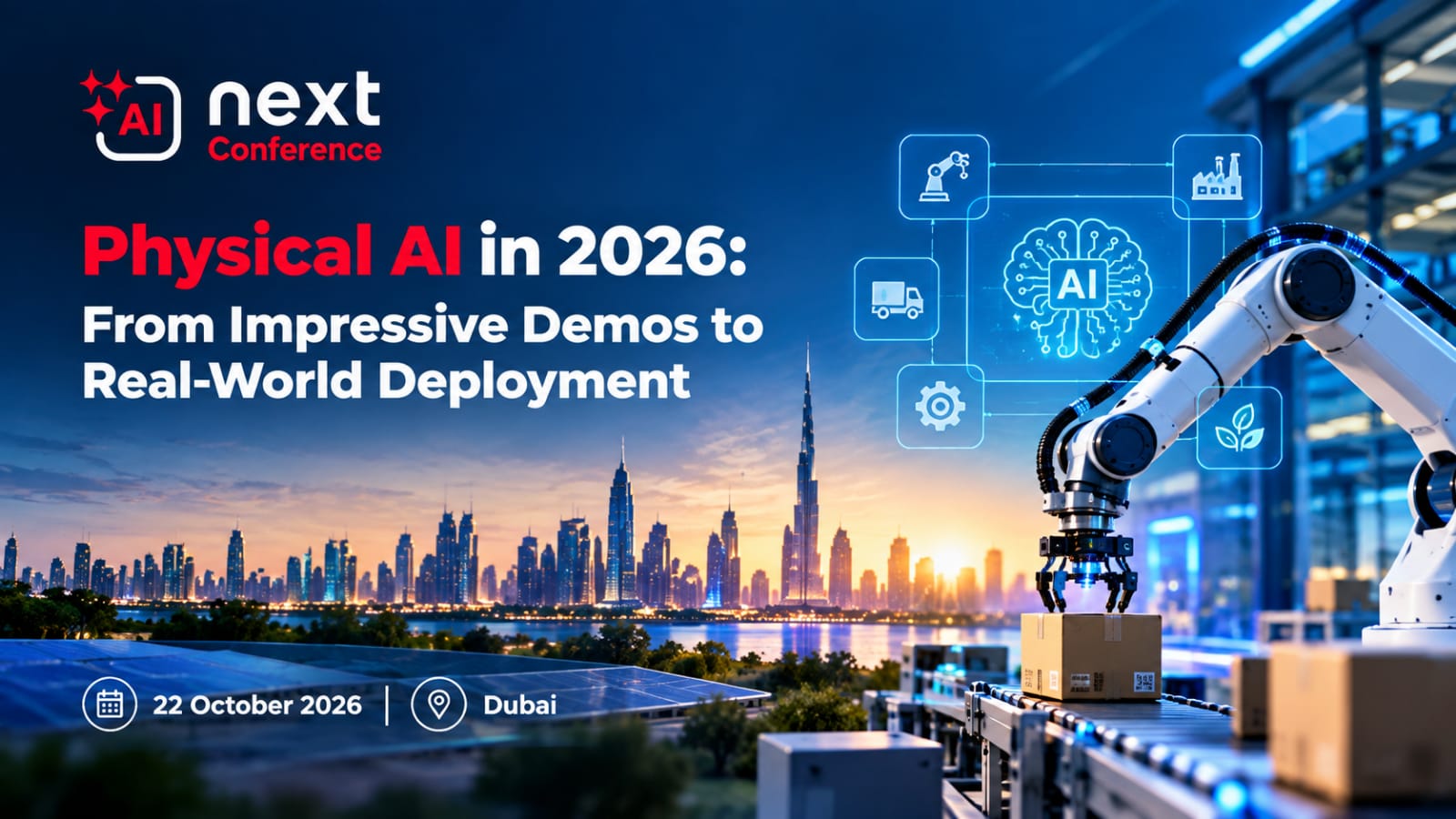
Physical AI is moving beyond demonstrations and laboratory experiments. In 2026, the focus is increasingly on how AI-powered machines can operate reliably in factories, warehouses and other physical environments. Unlike conventional AI, which mainly works with digital information, Physical AI connects perception, decision-making and action in the real world.
The shift is visible in manufacturing. BMW and Figure AI have been deploying humanoid robots at BMW’s Spartanburg plant in the United States. Following an earlier deployment of Figure 02, the newer Figure 03 began work at the facility in June 2026 on sequencing applications in logistics. Figure 03 picks components from larger unsorted containers and places them into sequencing trolleys so they can be delivered to assembly employees in the correct order.
BMW has reported that the earlier Figure 02 deployment supported the production of more than 30,000 BMW X3 vehicles over a ten-month period. The robot performed tasks including inserting sheet-metal parts for welding.
The significance of this project is not simply that a humanoid robot can perform a factory task. It demonstrates the broader challenge Physical AI must solve: translating AI capabilities into repeatable movements, integrating robots with existing production systems and maintaining safety in an environment designed for human workers.
Warehousing provides another practical example. Amazon's Vulcan robot combines computer vision with force-feedback technology, allowing it to sense contact while picking and stowing products. Amazon says Vulcan can handle approximately 75% of the different types of items stored in its fulfillment centers and is being deployed to help with physically demanding tasks, including work at the upper and lower levels of storage pods.
This illustrates an important characteristic of Physical AI: the system must understand the physical consequences of its actions. A warehouse robot cannot simply identify an object; it also needs to determine how to grip it, how much force to apply and what to do when the object behaves differently than expected.
Scale is becoming another important test. Amazon reported deploying its one-millionth robot in 2025 and introduced DeepFleet, an AI foundation model designed to coordinate the movement of its robotic fleet. The company said DeepFleet could improve robot travel time by 10% across its fulfilment network.
For businesses, the next phase of Physical AI will therefore be less about impressive demonstrations and more about measurable operational value. Reliability, safety, integration with existing systems, workforce training and the ability to handle unpredictable physical conditions will determine whether these technologies can move from pilot projects to everyday operations.
The progress of BMW and Amazon shows that this transition is already underway. In 2026, the defining question for Physical AI is no longer whether intelligent machines can perform impressive actions. It is whether they can perform useful actions consistently, safely and economically in the environments where businesses actually operate.
AINext Awards and Conference Dubai
These developments will be central to conversations at AINext Awards & Conference Dubai 2026, taking place on 22 October 2026 at Crowne Plaza Dubai – Deira. The event will bring together AI leaders, technology innovators, researchers and business decision-makers to explore the latest developments in artificial intelligence, machine learning, data innovation and emerging technologies.
As Physical AI advances, AINext Dubai provides an opportunity to examine the technologies, strategies and partnerships needed to turn intelligent machines from impressive demonstrations into trusted systems operating in the real world.